
Imperial City Museum: Discover Rothenburg's Medieval Secrets
May 30, 2025

I spent about two hours exploring the Imperial City Museum, completely captivated by the Rothenburger Passion artwork and the remarkably preserved medieval convent kitchen. The spinning barrel outside and the peaceful monastery garden made this a surprisingly moving historical experience that went far beyond typical museum visits.
Step inside a former Dominican convent where medieval secrets whisper from every artifact, revealing Rothenburg's most intimate historical moments. Discover a museum where a single spinning barrel tells a heartbreaking story of survival, compassion, and human resilience.
Need-to-Know Info Before Visiting Imperial City Museum
5+
images
Imperial City Museum Address
Klosterhof 5, 91541 Rothenburg ob der Tauber, Bavaria, Germany
Imperial City Museum Opening Hours
- 🕒 Tuesday-Sunday: 10:00 AM - 5:00 PM
- 🕒 Closed on Mondays
- 🕒 Winter hours may vary - check website before visiting
How to get to Imperial City Museum
- 🚗 By car: Parking available near Klosterhof
- 🚌 Public transport: Regional train to Rothenburg, then short walk
- 🚕 Rideshare: Taxi/local transport from Rothenburg city center
What is Imperial City Museum known for?
- Houses Germany's oldest convent kitchen with authentic medieval equipment
- Features Rothenburger Passion, a remarkable 12-panel artwork from 1494
- Displays extensive medieval weapons and armor collections
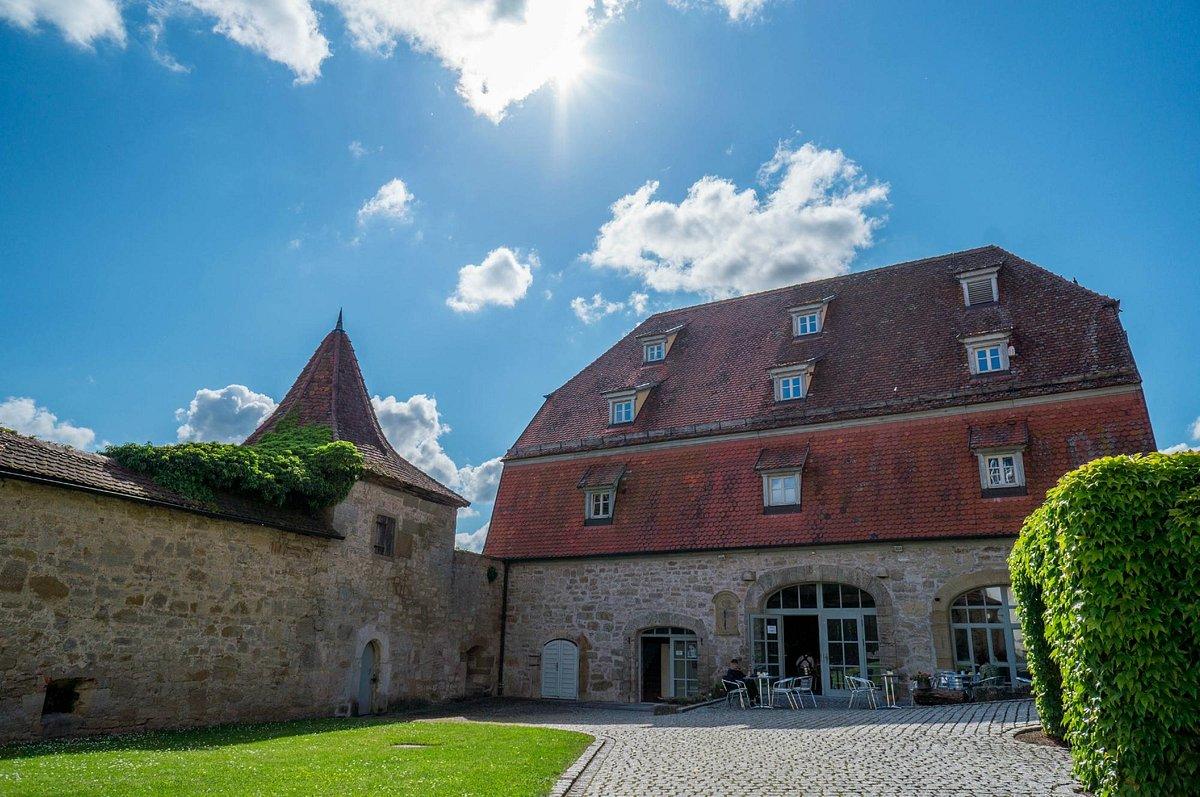
- Located in a historic Dominican convent building with rich local history
- Contains unique artifacts documenting Rothenburg's role during Thirty Years War
What is Imperial City Museum in Rothenburg ob der Tauber?
The Imperial City Museum sits in the heart of Rothenburg, transforming a 700-year-old Dominican convent into a time machine of local history. Travelers from across Europe seek out this landmark to understand medieval German life, particularly the impact of the Thirty Years War. Most visitors spend around 90 minutes exploring its collections, which range from medieval weapons to rare artwork like the Rothenburger Passion panels. The museum draws history buffs and casual tourists alike, offering an intimate look into Rothenburg's complex past through carefully curated exhibits. Located just steps from the city's famous medieval walls, the museum attracts roughly 50,000 visitors annually who want to dive deep into regional historical narratives. Architecture lovers will appreciate the preserved convent spaces, including Germany's oldest monastic kitchen, which provides an authentic glimpse into medieval daily life. The spinning barrel outside the entrance - once used by nuns to distribute bread and support abandoned children - stands as a powerful symbol of the community's historical compassion. A hidden gem for travelers, the Imperial City Museum transforms historical artifacts into compelling stories about Rothenburg's social and political evolution.
Top things to do at Imperial City Museum
- Explore the Rothenburger Passion, a remarkable 12-panel artwork from 1494 by Martinus Schwarz, depicting intricate medieval religious scenes
- Visit Germany's oldest preserved convent kitchen, examining medieval cooking tools and understanding monastic daily life
- Examine the extensive medieval weapons and armor collection, learning about military technology during the Thirty Years War
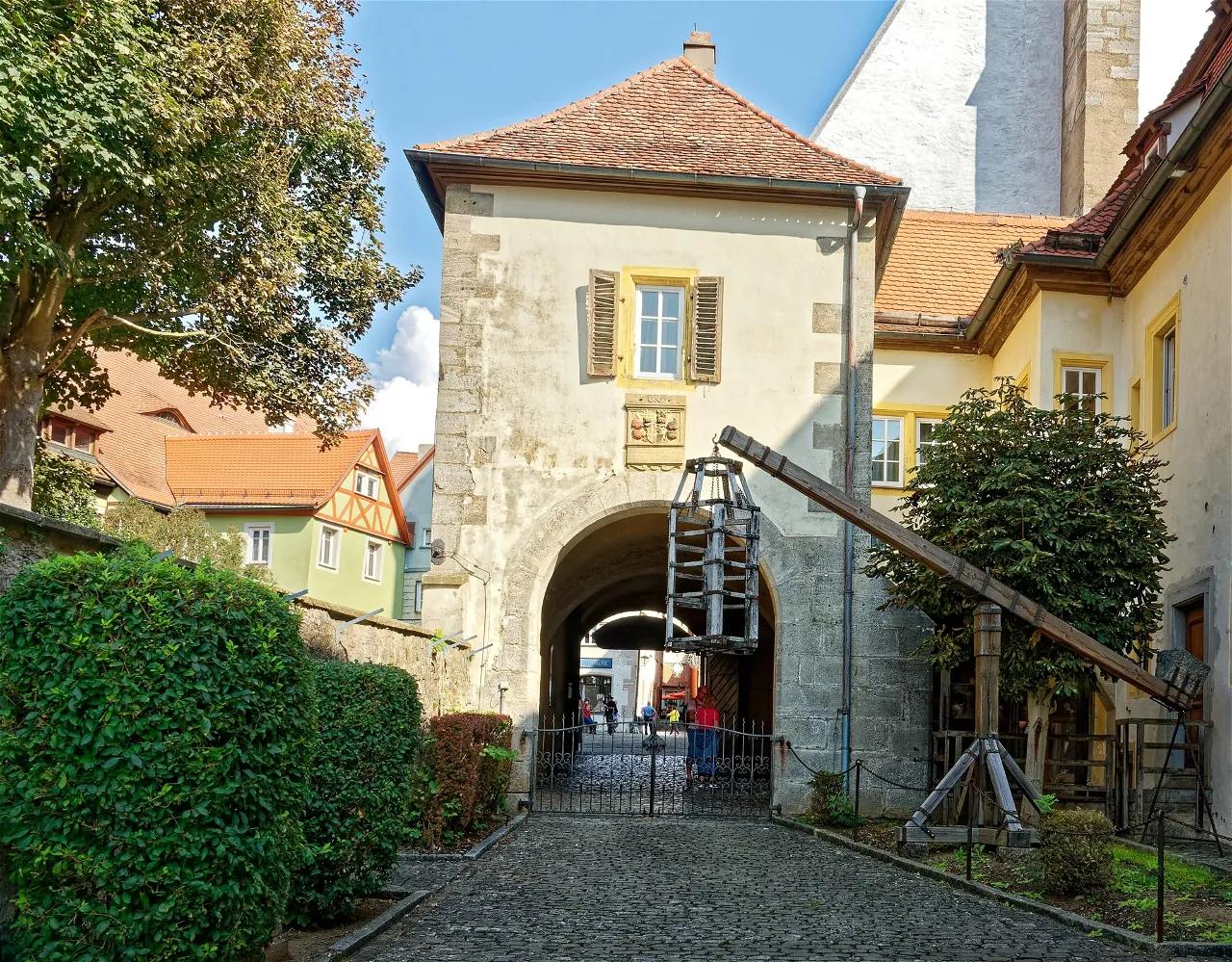
- Discover the historic spinning barrel outside the museum, where nuns once distributed bread and supported abandoned children
- Relax in the tranquil Klostergarten (Monastery Garden), entering through the Klosterhof for a peaceful museum break
- Take a guided tour focusing on the museum's Dominican convent history and its role in Rothenburg's social development
Tickets for Imperial City Museum
Adult tickets cost 6 euros, with reduced rates for students and seniors at 4 euros. Children under 16 enter free. Tickets can be purchased online through the museum's website or directly at the entrance. Group discounts are available for parties of 10 or more. The museum recommends booking tickets in advance during peak tourist season (June-August).
History of Imperial City Museum
- 1258: Dominican convent originally established at this location
- 1494: Rothenburger Passion artwork created by Martinus Schwarz
- 1832: Building converted from religious use to historical preservation
- 1936: Officially recognized as Reichsstadtmuseum (Imperial City Museum)
- 1970: Major renovation to preserve medieval architectural elements
- 2000: Comprehensive exhibit redesign focusing on Thirty Years War history
Cultural Significance
The Imperial City Museum represents Rothenburg's commitment to preserving medieval German history. It serves as a critical educational center documenting the city's complex social and political evolution, particularly during the tumultuous Thirty Years War. The museum captures the resilience of Rothenburg's community through carefully curated artifacts that tell stories of survival, faith, and transformation.
Tips for Visitors
- Allocate at least 90 minutes for a comprehensive museum visit
- Photography is permitted without flash in most exhibit areas
- Free audio guides available in German and English
- Wear comfortable walking shoes - exhibits involve multiple floors
- Check website for temporary exhibitions before visiting
- The Klostergarten (Monastery Garden) is a peaceful spot for a quick rest between exhibits
What are some interesting facts about Imperial City Museum?
- The spinning barrel outside the museum was not just for bread distribution, but also a secret 'baby hatch' where desperate mothers could anonymously leave infants they couldn't care for
- The museum's convent kitchen is the oldest preserved monastic kitchen in Germany, containing original medieval cooking equipment that predates most European museum collections
- During the Thirty Years War, this building served multiple critical functions beyond a religious space - including as a refuge, food distribution center, and strategic local administrative hub