
Medieval Crime Museum: Germany's Most Shocking Legal History Collection
July 31, 2025

I spent nearly two hours exploring the museum's six floors, completely fascinated by the original torture devices and legal documents that reveal medieval Germany's shocking judicial practices. The museum's location in Rothenburg's old town made it easy to combine with other historical attractions, and the detailed exhibits provided an unforgettable glimpse into how justice worked centuries ago.
Step into a world where medieval justice was brutally raw, with original torture instruments that will make your skin crawl. Uncover the hidden legal stories of Germany that most history books never dare to tell.
Need-to-Know Info Before Visiting Medieval Crime Museum
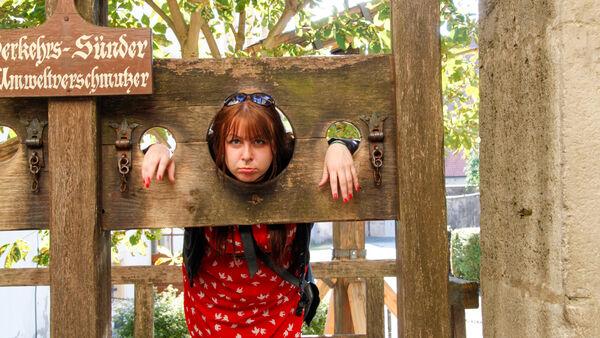
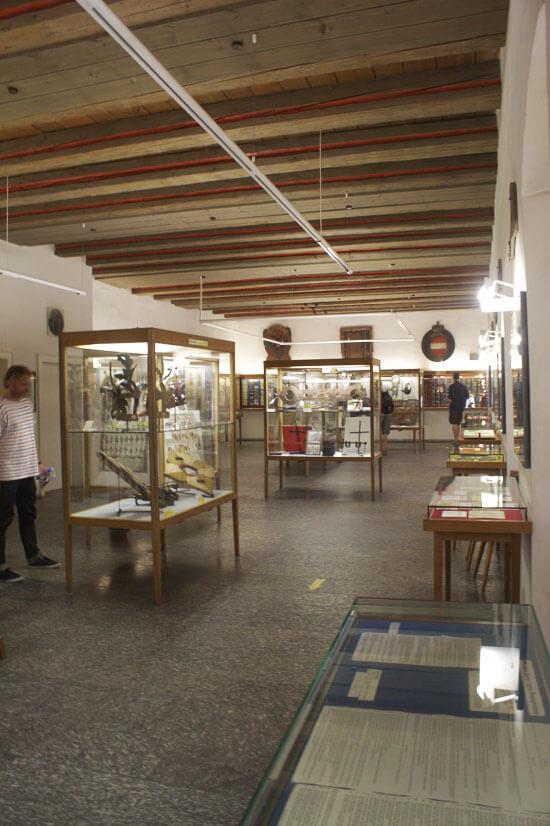
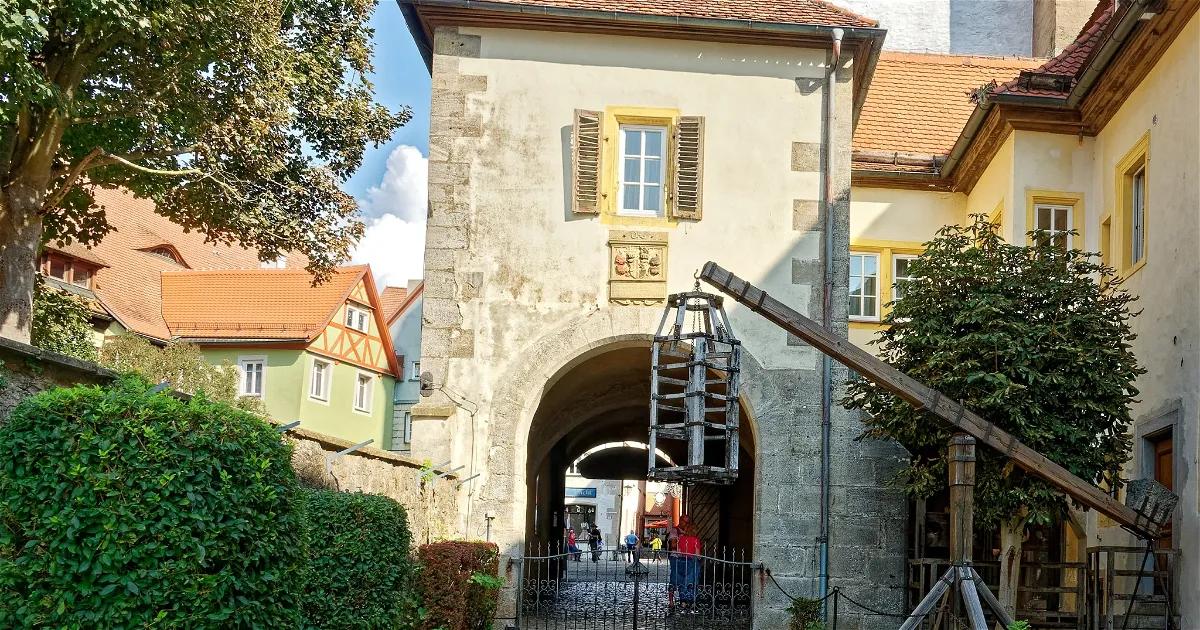
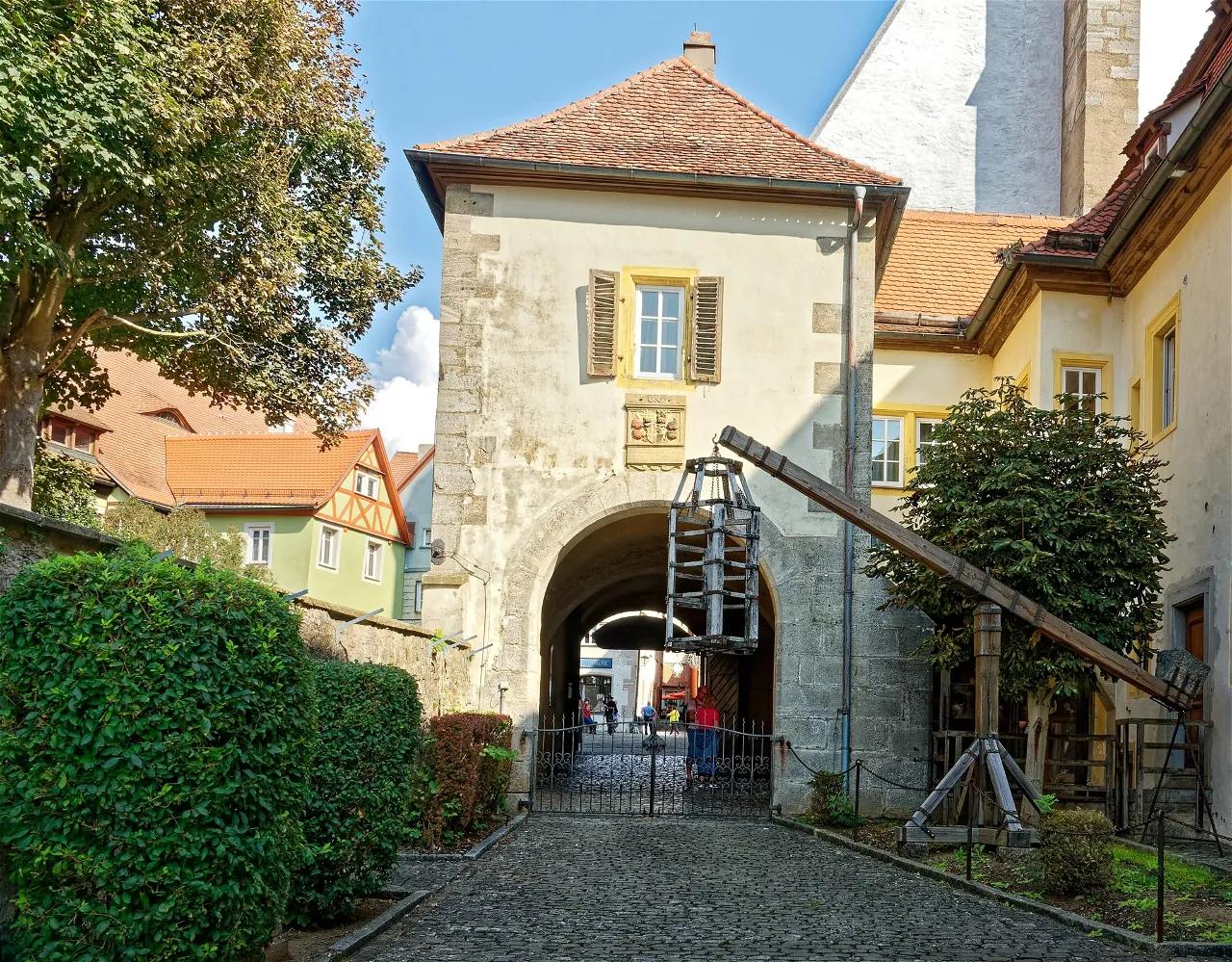
4+
images
Medieval Crime Museum Address
Burggasse 3-5, 91541 Rothenburg ob der Tauber, Bavaria, Germany
Medieval Crime Museum Opening Hours
- 🕒 April - October: Daily 10 AM - 6 PM
- 🕒 November - March: Daily 1 PM - 4 PM
- 🕒 Closed on December 24, 25, 31, and January 1
How to get to Medieval Crime Museum
- 🚗 By car: Parking available near Rothenburg old town center
- 🚌 Public transport: Regional train to Rothenburg, then 10-minute walk
- 🚕 Rideshare: Taxi services available in Rothenburg
What is Medieval Crime Museum known for?
- Germany's most comprehensive legal history collection spanning 13th-19th centuries
- Extensive display of original torture instruments and medieval punishment techniques
- Rare graphics by masters like Dürer and Rembrandt documenting legal practices
- Six-floor exhibit exploring complex legal systems and criminal justice evolution
- Unique collection of original legal documents, seals, and historical law books
What is Medieval Crime Museum in Rothenburg ob der Tauber?
Tucked away in the historic town of Rothenburg ob der Tauber, the Medieval Crime Museum stands as a chilling testament to Germany's complex legal history. Spread across two buildings and six floors, this museum isn't your typical tourist stop - it's a deep dive into the darker side of medieval justice. Travelers and history buffs flock here to explore an extensive collection that showcases how law enforcement worked during some of Europe's most brutal periods. The museum's exhibits are packed with original artifacts that tell a stark story: torture instruments, legal documents, and graphic illustrations by renowned artists like Dürer and Rembrandt. Visitors can expect an unfiltered look at medieval punishment techniques, from shame penalties to execution methods that will make even the most stoic traveler's stomach turn. Unlike many historical museums that gloss over uncomfortable truths, this landmark pulls no punches in presenting the raw realities of medieval criminal justice. It's a must-stop for anyone wanting to understand how legal systems evolved, offering a raw, unvarnished glimpse into a world where justice looked dramatically different from today's standards.
Top things to do at Medieval Crime Museum
- Explore the comprehensive six-floor exhibit on medieval legal history, tracking justice system transformations from the 13th to 19th centuries
- Examine original torture instruments and punishment devices used in medieval and early modern German judicial practices
- View rare graphic artworks by masters like Dürer, Grien, and Rembrandt depicting legal scenes and criminal justice
- Study authentic legal documents, seals, and historical law books that showcase the evolution of legal documentation
- Learn about medieval shame punishments and corporal penalty techniques through detailed museum displays
- Participate in guided tours that explain the complex legal systems and unusual enforcement methods of historical German rulers
🎟️ Tickets and Pricing
Adult tickets cost around 9 euros, with reduced rates for students and seniors at 7 euros. Children under 6 enter free. Online ticket purchases are recommended during peak tourist season to avoid long lines. Group discounts are available for 10 or more visitors. The museum offers combination tickets with other Rothenburg historical attractions, which can save money for travelers wanting to explore multiple sites.
Best Time to Visit Medieval Crime Museum
The museum is most comfortable to visit during shoulder seasons - April to May and September to October. Summer months (June-August) get crowded with tourists, while winter hours are shorter. Weekday mornings before 11 AM offer the most peaceful museum experience with fewer crowds. Plan at least 90 minutes for a comprehensive tour of all six floors and two buildings.
History of Medieval Crime Museum
- 1977: Museum first established in Rothenburg ob der Tauber
- 1988: Expanded to current two-building location
- 2002: Major renovation adding digital interactive exhibits
- 2015: Comprehensive redesign of permanent legal history collection
- 2020: Digital archives and online resources added to museum's offerings
Cultural Significance
The Medieval Crime Museum represents a critical approach to understanding judicial practices in German-speaking regions. By displaying actual torture instruments and legal documents, the museum provides an unfiltered look into historical systems of punishment and justice. It serves as an educational resource that confronts uncomfortable historical realities, helping visitors understand how legal systems evolved over centuries.
Tips for Visitors
- Wear comfortable walking shoes - museum spans six floors
- Photography is permitted without flash
- Audio guides available in multiple languages
- Museum has wheelchair accessibility on all floors
- Gift shop offers unique legal history books and replicas
- Consider purchasing combination tickets with other Rothenburg attractions
What are some interesting facts about Medieval Crime Museum?
- The museum houses one of the world's largest collections of original medieval torture devices, many of which are so graphic that some visitors find them difficult to view
- Rothenburg's museum is unique because it doesn't just display artifacts, but contextualizes them within the complex legal and social systems of medieval Germany
- Some of the graphic illustrations by masters like Dürer were actually commissioned by local courts to document judicial proceedings, making them rare historical documents beyond mere artwork