
St. Jacob's Church: A Medieval Masterpiece in Rothenburg
August 09, 2025

I spent about 90 minutes exploring St. Jacob's Church, completely captivated by Riemenschneider's Heilig Blut Altar and the intricate stained glass windows. The church's proximity to Rothenburg's main market square made it easy to include in my walking tour of the medieval town.
Tucked in the heart of Rothenburg, St. Jacob's Church holds a rock crystal reliquary that allegedly contains three drops of Christ's blood - a treasure more mysterious than any museum artifact. Step inside to uncover a medieval Lutheran sanctuary where every stained glass window and carved altar tells a story untold by history books.
Need-to-Know Info Before Visiting St. Jacob's Church
4+
images
St. Jacob's Church Address
Kirschplatz 1, 91541 Rothenburg ob der Tauber, Bavaria, Germany
St. Jacob's Church Opening Hours
- 🕒 Summer (April-October): Daily 9 AM - 5:30 PM
- 🕒 Winter (November-March): Daily 10 AM - 4 PM
- 🕒 Closed during religious services
How to get to St. Jacob's Church
- 🚗 By car: Free parking available near Kirschplatz
- 🚌 Public transport: Regional train to Rothenburg station, then 10-minute walk
- 🚕 Rideshare: Taxi services available in town center
What is St. Jacob's Church known for?
- Home to Tilman Riemenschneider's famous Heilig Blut Altar (Altar of the Holy Blood)
- Features rare 15th-century stained glass windows depicting biblical scenes
- One of the few churches in Bavaria that charges admission
- Significant Lutheran church representing medieval Bavarian religious architecture
- Contains a rock crystal reliquary allegedly holding three drops of Christ's blood
What is St. Jacob's Church in Rothenburg ob der Tauber?
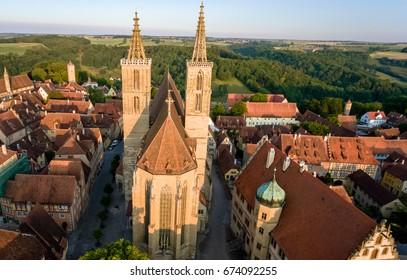
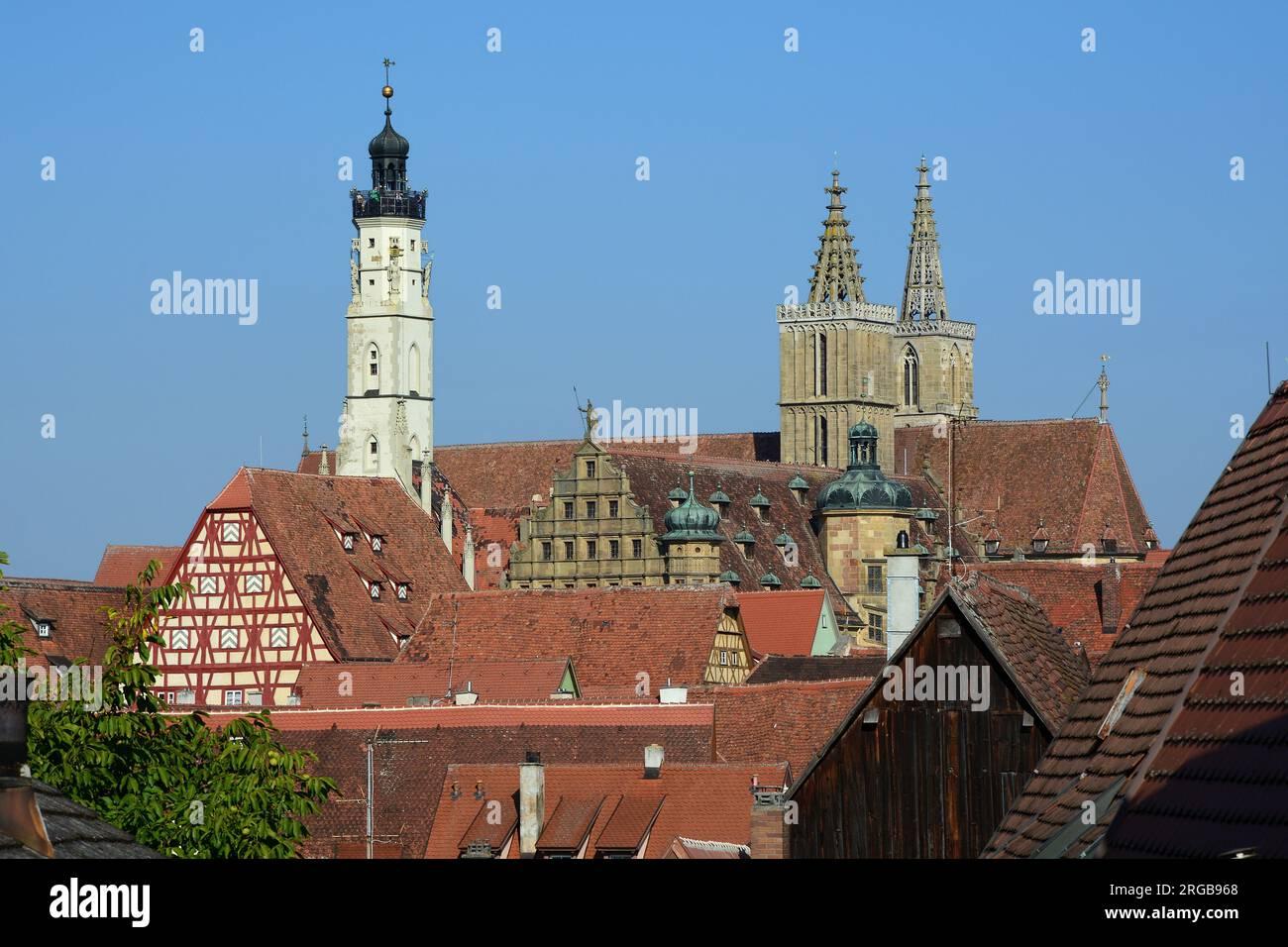
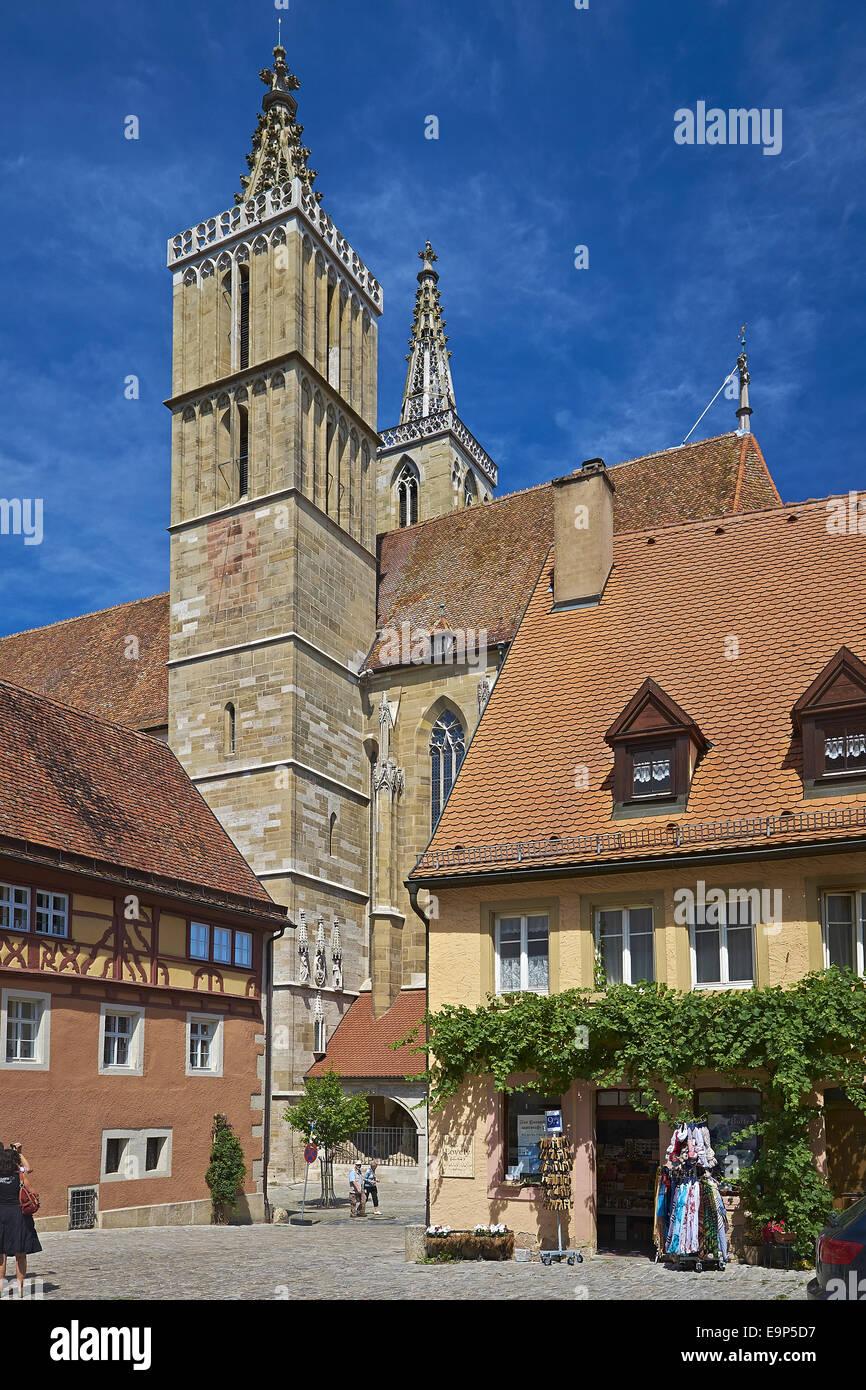
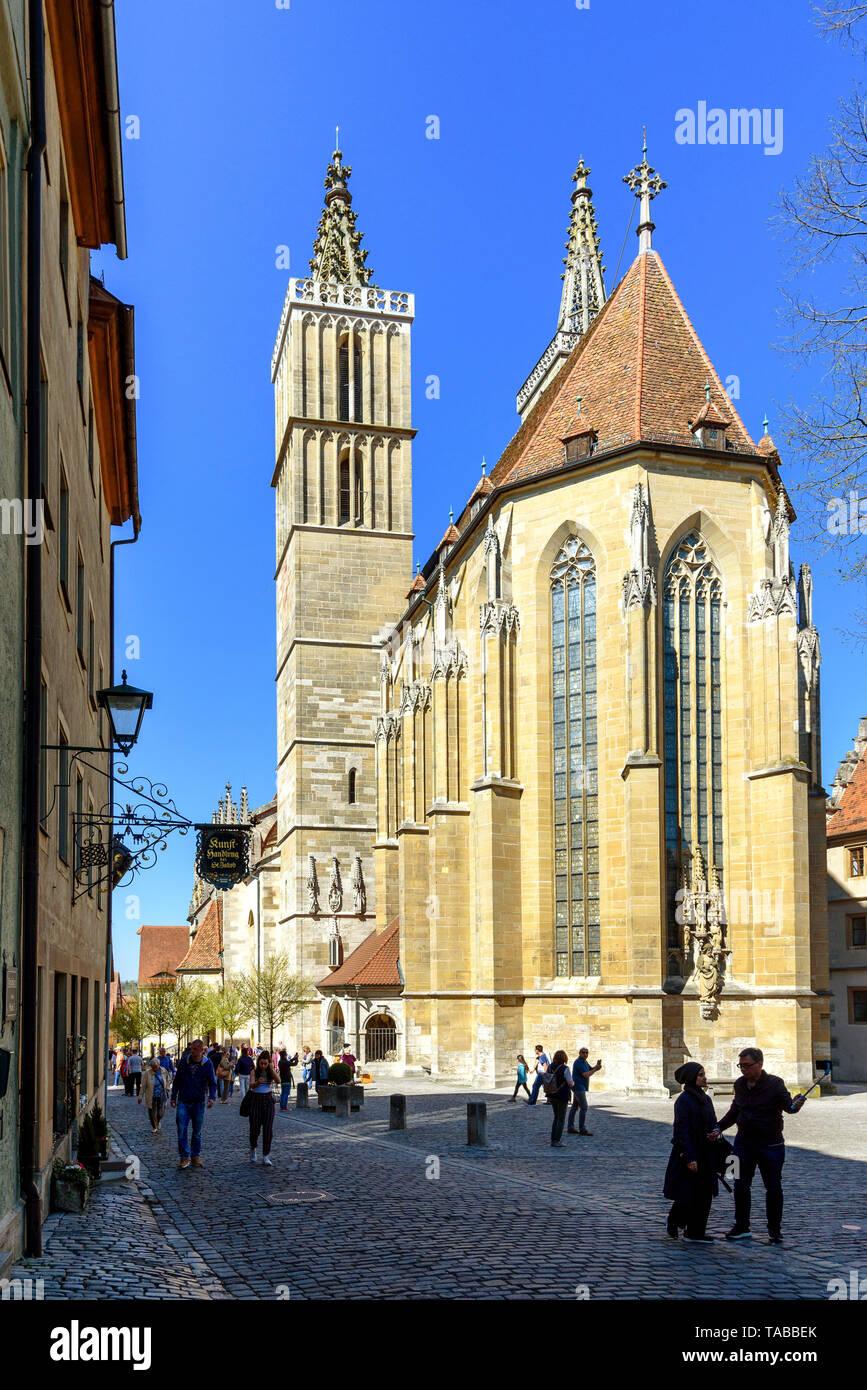
St. Jacob's Church stands as a landmark Lutheran church that draws history buffs and architecture fans from across Germany and beyond. Located in the heart of Rothenburg ob der Tauber, this 14th-century church attracts around 50,000 visitors annually, making it a key stop for travelers exploring Bavaria's medieval heritage. Tourists typically spend 45-60 minutes exploring its intricate spaces, focusing on the famous Heilig Blut Altar crafted by renowned sculptor Tilman Riemenschneider. Photography enthusiasts cluster around the church's stunning stained glass windows, which capture light in mesmerizing patterns that showcase medieval craftsmanship. Unlike many churches that offer free entry, St. Jacob's charges a small admission fee, reflecting its status as both a working place of worship and a significant historical monument. Weekend tours fill up quickly, especially during summer months when tourist traffic peaks in Rothenburg. Architectural details like the rock crystal reliquary and the gilded cross above the Last Supper scene make this church more than just another religious building - it's a window into medieval Bavarian religious and artistic traditions.
Top things to do at St. Jacob's Church
- Marvel at Tilman Riemenschneider's Heilig Blut Altar, examining the intricate wood carving depicting the Last Supper and the gilded cross
- Study the 15th-century stained glass windows, focusing on the biblical scenes and medieval glass-making techniques
- Locate the rock crystal reliquary said to contain three drops of Christ's blood, a unique historical artifact
- Take a guided tour to learn about the church's Lutheran history and architectural evolution from the 14th to 15th centuries
- Explore the church's interior, noting the transition from Gothic to early Renaissance architectural elements
- Visit the church shop to purchase informational guides and local religious art souvenirs
- Attend an evening choral service to experience the church's acoustic properties and musical traditions
Tickets and Admission
St. Jacob's Church charges a modest entry fee, which helps maintain this historic landmark. Adult tickets cost around 3-4 euros, with reduced rates for students and seniors. Tickets can be purchased directly at the church entrance. No online pre-booking is required, but during peak tourist season (June-August), arriving early is recommended to avoid potential lines. The admission fee includes a basic informational brochure about the church's history and architecture.
History of St. Jacob's Church
- 1311: Construction of the church begins as a significant Lutheran parish church in Rothenburg
- 1370-1390: Major construction phases continue during the late medieval period
- 1440-1490: Completion of the church structure and installation of key architectural elements
- Late 15th Century: Tilman Riemenschneider creates the famous Heilig Blut Altar
- 1525: Reformation impacts the church, transitioning to Lutheran practices
- 1634: Survived the Thirty Years' War with minimal damage
- 1800s: Significant restoration work preserves the medieval architectural features
- 1945: Survived World War II with limited structural damage
- 1970-2000: Multiple conservation efforts to preserve stained glass and interior elements
Cultural Significance
St. Jacob's Church represents more than a religious building - it's a symbol of Rothenburg's medieval Lutheran heritage. The church serves as a crucial cultural landmark that connects modern Bavarians to their historical roots. Its architectural design and preserved artifacts tell the story of religious transformation during the Reformation, making it a key site for understanding regional spiritual and cultural evolution.
Tips for Visitors
- Bring comfortable walking shoes for exploring the church interior
- Photography is allowed, but without flash to protect historic artifacts
- Allocate at least 60-90 minutes for a comprehensive visit
- Check local event calendars for potential church service times
- Consider hiring an audio guide for deeper historical context
- Dress respectfully - no shorts or sleeveless tops
- Wheelchair accessible, with some areas having limited mobility access
What are some interesting facts about St. Jacob's Church?
- The rock crystal reliquary containing the three drops of Christ's blood is so precious that it's only displayed during special religious ceremonies, making it a rare sight for most visitors
- Tilman Riemenschneider, the sculptor of the famous Heilig Blut Altar, was considered so important that he was elected to the Rothenburg city council despite being an artist
- During the Thirty Years' War, the church survived multiple conflicts, with local legends suggesting that its survival was seen as a divine miracle by the Rothenburg community